Dermatitis: A Complete Medical Guide — Symptoms, Causes, Diagnosis, Treatment and Prevention
Dermatitis — commonly called eczema — is a group of inflammatory skin conditions that affect people of all ages. This guide explains the most common types, typical symptoms, evidence-based diagnosis and treatment options, practical skin-care strategies, and ways to reduce flare-ups and maintain healthy skin.
What is dermatitis?
Dermatitis is a non-specific term for inflammatory disorders of the skin characterized by itching (pruritus), redness (erythema), swelling, and sometimes vesicles, oozing, crusting, or scaling. It is not a single disease but an umbrella term that includes several clinically distinct conditions such as atopic dermatitis (eczema), contact dermatitis (allergic or irritant), seborrheic dermatitis, and stasis dermatitis, among others.
Although many forms are chronic and relapsing, most cases can be controlled with a combination of correct diagnosis, trigger management, regular skin care, and appropriate medications when needed.
How common is dermatitis and who is at risk?
Dermatitis is very common worldwide. Prevalence estimates vary by type and region:
- Atopic dermatitis affects up to 15–20% of children and 2–10% of adults in many countries.
- Contact dermatitis is a frequent occupational and environmental problem.
- Seborrheic dermatitis commonly affects infants (<3 months) and adults, especially those with oily skin or certain neurological conditions.
Risk factors differ by subtype but commonly include:
- Personal or family history of atopy (asthma, allergic rhinitis, atopic dermatitis)
- Exposure to irritants (detergents, solvents) or allergens (nickel, fragrances, preservatives)
- Dry skin and seasonal factors (low humidity)
- Occupational exposures (healthcare workers, hairdressers, cleaners)
- Age (infants and elderly may be more vulnerable)
Causes and common triggers
Dermatitis results from a combination of skin barrier dysfunction, immune system responses, environmental exposures, and genetic predisposition. Specific mechanisms and triggers vary by type:
Atopic dermatitis (eczema)
Atopic dermatitis is linked to genetic factors (including filaggrin mutations that impair the skin barrier), immune dysregulation, and environmental exposures. Triggers often include dry skin, heat, sweating, allergens (dust mites, pet dander), and certain foods in infants.
Contact dermatitis
Contact dermatitis may be:
- Irritant contact dermatitis: caused by direct chemical or physical damage to the skin from soaps, solvents, repeated wet work, or detergents.
- Allergic contact dermatitis: an immune-mediated reaction to substances like nickel, fragrances, topical antibiotics (neomycin), preservatives, or rubber additives. Sensitization may occur after repeated exposures.
Seborrheic dermatitis
An inflammatory reaction associated with sebum-rich areas (scalp, nasolabial folds) and thought to involve factors such as Malassezia yeast, skin oil composition, and host immune response.
Other causes
Stasis dermatitis (venous insufficiency), photosensitive dermatitis, and drug-induced dermatitis are additional subtypes with distinct mechanisms and clinical settings.
Types of dermatitis (overview)
- Atopic dermatitis: chronic, relapsing, intensely itchy eczematous lesions often on flexural areas in older children and adults; cheeks and extensor surfaces in infants.
- Irritant contact dermatitis: redness and scaling where the irritant contacts the skin; common in hands.
- Allergic contact dermatitis: can produce delayed allergic reactions with vesicles, severe itching, and spreading beyond the contact area.
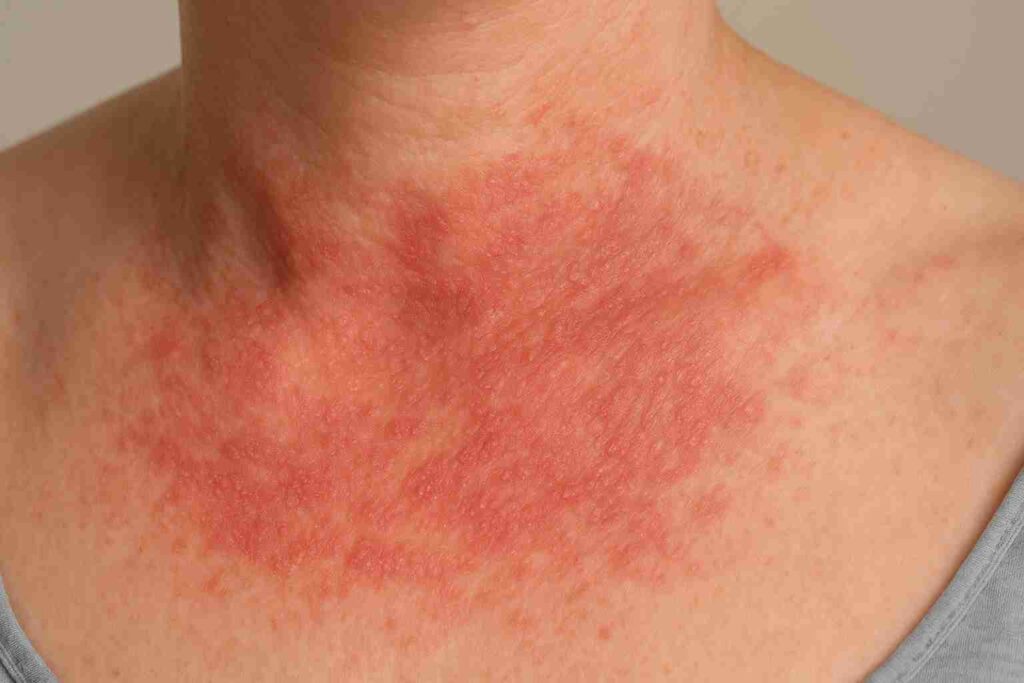
- Seborrheic dermatitis: greasy scales and erythema on the scalp, face, and upper chest; commonly called cradle cap in infants.
- Stasis dermatitis: occurs on lower legs in association with chronic venous insufficiency; often accompanied by hyperpigmentation and ulceration in severe cases.
Symptoms and clinical presentation
Symptoms vary by type, severity, and disease phase, but common features include:
- Pruritus (itching): often the dominant symptom and a major driver of sleep disturbance and quality-of-life impairment.
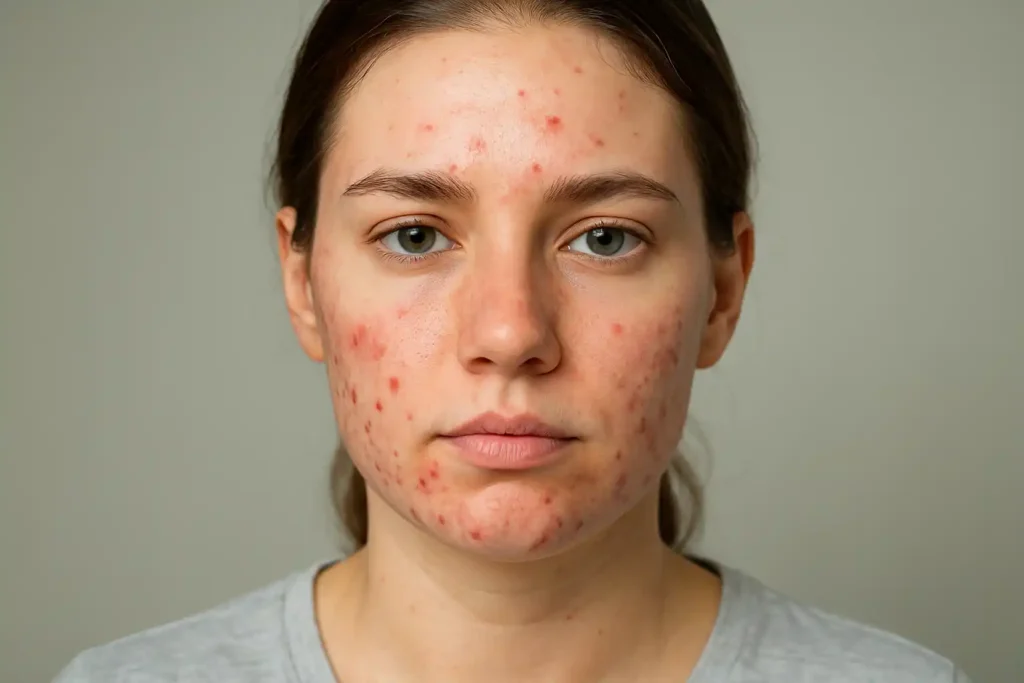
- Redness and swelling: erythematous patches or plaques.
- Scaling, crusting or oozing: in acute or infected lesions.
- Thickened skin (lichenification): with chronic scratching and rubbing.
- Blisters or vesicles: in some acute allergic contact reactions.
Distribution is informative: atopic dermatitis often affects flexures (inner elbows, behind knees) and face in children; contact dermatitis localizes to contact sites; seborrheic dermatitis affects sebaceous areas.
When to see a doctor — warning signs
See a healthcare professional if you experience any of the following:
- Severe or rapidly spreading skin inflammation
- Signs of infection: increasing pain, warmth, swelling, pus, or fever
- Significant sleep disturbance or daily activity impairment due to itch
- No improvement after appropriate emollient use and over-the-counter measures
- Skin changes suggestive of other conditions (widespread rash, blistering, systemic symptoms)
Early evaluation is especially important in infants, elderly people, pregnant individuals, and immunocompromised patients.
How dermatitis is diagnosed
Diagnosis is primarily clinical, based on history and skin examination. Key elements include:
- Onset, duration, and course of symptoms
- Distribution and morphology of lesions
- Possible exposures (new cosmetics, occupational agents, plants, pets)
- Personal and family history of atopy or allergic conditions
Additional tests when indicated
- Patch testing: gold-standard for diagnosing allergic contact dermatitis; identifies specific contact allergens.
- Skin swabs or cultures: if secondary bacterial or fungal infection is suspected.
- Skin biopsy: rarely needed but helpful for atypical or unclear cases.
- Blood tests: limited role; may identify eczema-associated IgE in some atopic patients, but results do not replace clinical assessment.
Treatment: Evidence-based approach
Treatment goals are to relieve itch, reduce inflammation, restore the skin barrier, treat complications (infection), and prevent flare-ups. Management is individualized by dermatitis subtype and severity.
Core principles
- Skin barrier repair: regular use of emollients/moisturizers is foundational for virtually all types of dermatitis.
- Avoid triggers: identify and minimize exposure to irritants and allergens.
- Topical anti-inflammatory therapy: topical corticosteroids are the mainstay for flares; potency is chosen based on location and severity.
- Topical calcineurin inhibitors: tacrolimus and pimecrolimus are steroid-sparing options for sensitive areas (face, intertriginous) and for long-term control.
Specific management strategies
- Atopic dermatitis (mild–moderate): liberal emollient use, trigger avoidance, short courses of topical corticosteroids for flares, and topical calcineurin inhibitors for facial or delicate skin. Bleach baths or antiseptic measures may reduce infection in selected patients with recurrent staphylococcal colonization.
- Atopic dermatitis (moderate–severe): phototherapy (narrowband UVB), systemic immunomodulators (e.g., cyclosporine, methotrexate, azathioprine) or biologic therapy (dupilumab) may be considered under specialist care.
- Allergic contact dermatitis: identify and avoid the allergen; topical steroids for acute inflammation; in severe cases, short systemic corticosteroid courses may be used.
- Irritant contact dermatitis: remove the irritant, protective measures (gloves, barrier creams), and emollients; topical steroids if inflamed.
- Seborrheic dermatitis: topical antifungals (ketoconazole shampoo/cream), low-potency topical corticosteroids for flares, and gentle skin care.
- Stasis dermatitis: compression therapy and treatment of venous insufficiency alongside topical care to reduce inflammation and prevent ulcers.
Treating infection
Secondary bacterial infection often requires topical or systemic antibiotics depending on severity. Fungal infections are treated with appropriate antifungals. Seek medical assessment if signs of infection are present.
Home care and symptom relief
Effective self-care supports medical treatments and reduces recurrence:
- Daily emollient use: apply liberally after bathing and throughout the day; choose fragrance-free, hypoallergenic products.
- Gentle bathing: short lukewarm baths or showers; avoid hot water and harsh soaps; use mild, non-soap cleansers.
- Pat skin dry: avoid vigorous rubbing; immediately apply moisturizer to damp skin.
- Avoid known irritants: perfumes, fragranced products, harsh detergents, and prolonged wet work.
- Keep nails short: to reduce skin damage from scratching; consider cotton gloves at night if scratching disturbs sleep.
- Wear breathable fabrics: cotton rather than wool or synthetic fibers that can irritate skin.
Prevention strategies
Prevention focuses on maintaining the skin barrier and avoiding triggers:
- Use regular emollients as maintenance therapy in people with recurrent dermatitis.
- Avoid excessive hand washing with harsh soaps; use gentle cleansers and moisturize after washing.
- Identify and avoid contact allergens through patch testing when indicated.
- Implement workplace skin protection (gloves, barrier creams) for high-risk occupations.
- Manage comorbid conditions (allergic rhinitis, asthma) that may influence atopic dermatitis control.
Complications and when dermatitis is serious
Most dermatitis is manageable, but complications can occur:
- Secondary infection: bacterial (commonly Staphylococcus aureus) or fungal infections may worsen inflammation and require targeted therapy.
- Chronic lichenification: permanent skin thickening from long-term scratching.
- Pigmentary changes: post-inflammatory hyperpigmentation or hypopigmentation can persist after inflammation resolves.
- Skin ulcers or cellulitis: in severe or neglected stasis dermatitis or infected lesions.
- Psychosocial impact: sleep disturbance, anxiety, and reduced quality of life may result from severe or visible dermatitis.
Special considerations: children, elderly and pregnant individuals
Children
Infants commonly present with atopic dermatitis on the face and extensor surfaces. Food allergies can trigger or exacerbate eczema in a subset of young children; however, broad food exclusion is not routinely recommended without specialist evaluation.
Elderly
Older adults often have drier skin, thinner epidermis, and multiple comorbidities that influence management. Topical potency and systemic options should be chosen carefully considering comorbidities and medication interactions.
Pregnancy
Treatment choices should balance maternal benefit and fetal safety. Many topical corticosteroids are considered safe when used appropriately; systemic immunosuppressants and certain biologics require specialist input in pregnancy.
Frequently Asked Questions (FAQs)
Is dermatitis the same as eczema?
Yes — “eczema” is often used interchangeably with dermatitis, though some clinicians reserve “eczema” for atopic dermatitis specifically. Both terms describe inflammatory skin conditions with redness and itching.
Can dermatitis be cured?
Many forms of dermatitis are chronic and relapsing. While some children outgrow atopic dermatitis, management focuses on long-term control, preventing flares, and maintaining skin health rather than a guaranteed cure.
Are topical steroids safe?
Topical corticosteroids are safe and effective when used as directed. Side effects (skin thinning, stretch marks) are more likely with prolonged use of high-potency steroids; use the lowest effective potency and follow medical guidance.
When should I do patch testing?
Patch testing is indicated when allergic contact dermatitis is suspected, particularly with chronic or work-related hand dermatitis, or when avoidance of suspected allergens is impractical without confirmation.
Practical tips and clinical takeaways
- Emollient therapy is fundamental — use moisturizers generously and frequently to restore the skin barrier.
- Identify and avoid triggers (allergens, irritants, extremes of temperature) to reduce flares.
- Topical corticosteroids remain the first-line anti-inflammatory therapy for flares; steroid-sparing options exist for maintenance or delicate areas.
- Seek medical care for signs of infection, severe disease, or when initial treatments fail.
- Occupational and lifestyle modifications (protective gloves, gentle detergents) often reduce disease burden in hand dermatitis and contact dermatitis.
References & further reading
Reliable resources include clinical guidelines and educational materials from dermatology societies and public health authorities: American Academy of Dermatology (AAD), British Association of Dermatologists (BAD), World Health Organization (WHO), and peer-reviewed dermatology journals. For personalized medical advice and prescriptions, consult your healthcare provider or a board-certified dermatologist.