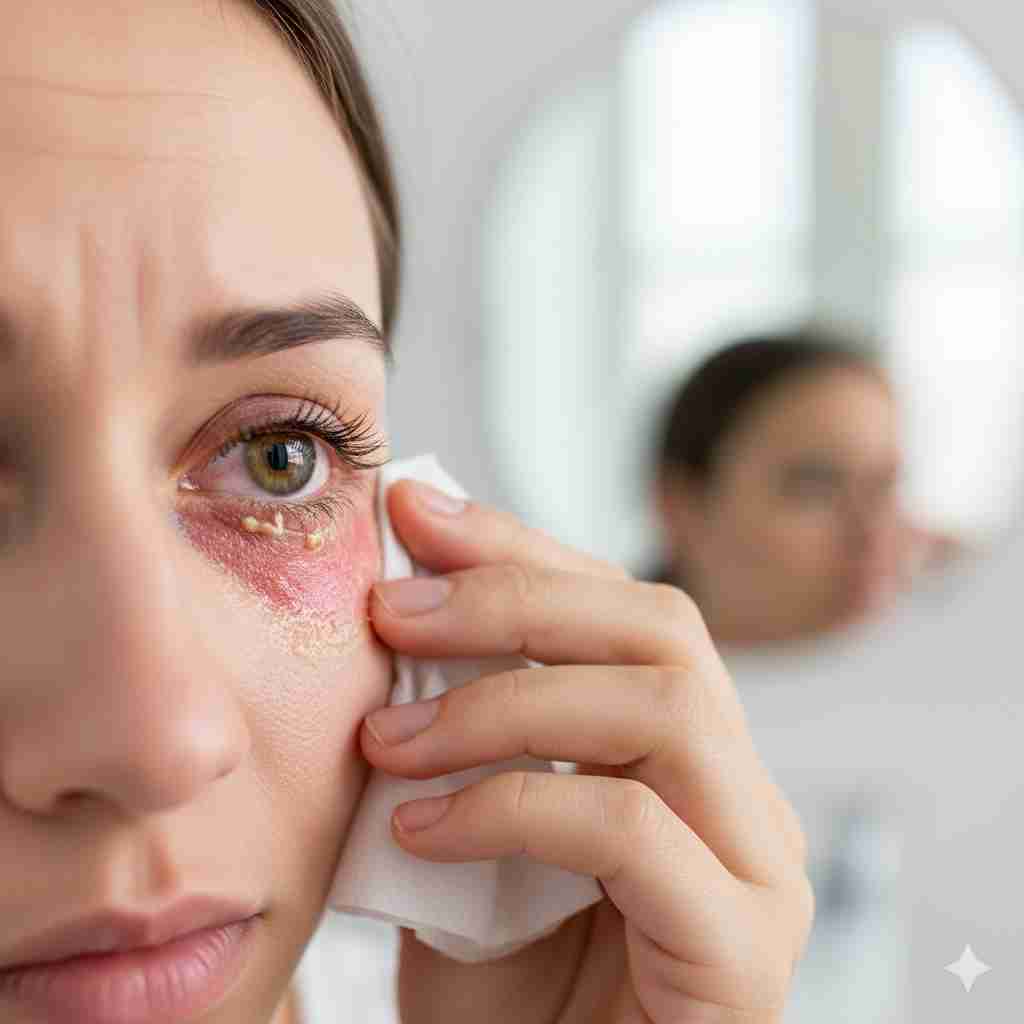
Conjunctivitis (Pink Eye): Symptoms, Causes, Treatment & Prevention
Conjunctivitis—commonly known as pink eye—is an inflammation of the conjunctiva, the thin membrane that lines the inside of the eyelids and covers the white part of the eye. It is one of the most common eye complaints worldwide and affects people of all ages. Although conjunctivitis is usually mild, it can be highly contagious depending on the cause, and understanding its types, symptoms, and management is essential for prevention and recovery.
Table of Contents
What Is Conjunctivitis?
Conjunctivitis refers to inflammation of the conjunctiva, which results in redness, irritation, and sometimes discharge from the eyes. It may affect one or both eyes and can vary from mild discomfort to more noticeable irritation. While commonly associated with infections, conjunctivitis may also develop from allergies, irritants, or underlying medical conditions.
Types of Conjunctivitis
1. Viral Conjunctivitis
The most common type, usually caused by adenoviruses. It is highly contagious and often spreads through respiratory droplets, contaminated surfaces, or close personal contact. Symptoms may begin in one eye and spread to the other within days.
2. Bacterial Conjunctivitis
Caused by bacteria such as *Staphylococcus aureus*, *Streptococcus pneumoniae*, or *Haemophilus influenzae*. It often produces thicker discharge and requires antibiotic treatment in many cases.
3. Allergic Conjunctivitis
Triggered by allergens like pollen, dust mites, mold, or pet dander. It often appears seasonally and typically affects both eyes simultaneously. It is not contagious.
4. Irritant Conjunctivitis
Caused by exposure to smoke, chlorine, chemicals, or foreign particles. Removal of the irritant usually improves symptoms quickly.
Common Symptoms
- Eye redness
- Itching or burning sensation
- Watery or thick discharge
- Crusting of eyelashes, especially in the morning
- Swollen eyelids
- Light sensitivity
- A gritty or “sand-like” feeling
Causes and Risk Factors
Common Causes
- Viruses (most common)
- Bacteria
- Allergens
- Foreign bodies or irritants
- Contact lens misuse
Risk Factors
- Close contact with infected individuals
- Sharing towels, makeup, or personal items
- Seasonal allergies
- Swimming in contaminated water
- Poor hand hygiene
Diagnosis
Diagnosis of conjunctivitis is usually clinical, based on symptoms and eye appearance. In most cases, additional testing is unnecessary. However, doctors may perform swab tests in severe, recurring, or unclear cases to identify the underlying cause.
Treatment Options
Viral Conjunctivitis
Viral conjunctivitis typically resolves on its own within 1–2 weeks. Supportive care may include cool compresses, artificial tears, and avoiding contact lenses until fully recovered.
Bacterial Conjunctivitis
Antibiotic eye drops or ointments may be prescribed to speed recovery and reduce transmission. Most mild cases improve within a few days with treatment.
Allergic Conjunctivitis
Treatment focuses on managing allergies through antihistamine eye drops, artificial tears, or avoiding allergen exposure.
Irritant Conjunctivitis
Flushing the eye with clean water and avoiding the irritant typically leads to rapid improvement.
Possible Complications
Most cases are mild and temporary, but untreated bacterial infections or improper use of contact lenses can lead to more serious issues. Persistent pain, vision changes, or severe swelling should be evaluated promptly.
Prevention Strategies
- Wash hands often
- Avoid rubbing eyes
- Do not share towels, makeup, or personal items
- Replace old eye makeup
- Clean contact lenses properly
- Use protective goggles in dusty or chemical environments
When to Seek Medical Care
- Severe eye pain
- Blurred vision or loss of vision
- Symptoms lasting more than two weeks
- Large amounts of pus-like discharge
- History of eye surgery or contact lens complications
Conclusion
Conjunctivitis is a common and often mild eye condition, but proper understanding of its types, symptoms, and causes helps in choosing the right management strategy. Whether caused by infection, allergies, or irritants, most cases resolve quickly with appropriate care. Practicing good hygiene and avoiding unnecessary exposure can significantly reduce the risk of transmission and recurrence.