Chronic Obstructive Pulmonary Disease (COPD)
Chronic obstructive pulmonary disease (COPD) is a long-term, progressive lung condition that makes it difficult to breathe. It usually includes two main diseases—emphysema and chronic bronchitis—that gradually damage the airways and air sacs, leading to airflow obstruction. COPD is a major global health concern, affecting millions of people and ranking among the leading causes of illness and reduced quality of life. Understanding its causes, symptoms, stages, and treatments is crucial for managing the condition effectively and maintaining lung function.
Quick Summary
- COPD includes chronic bronchitis and emphysema.
- Smoking is the primary cause, but other irritants can contribute.
- Symptoms include coughing, breathlessness, and mucus buildup.
- Diagnosis involves lung function tests and imaging.
- Treatment focuses on improving breathing and preventing flare-ups.
- Healthy lifestyle choices can significantly slow progression.
What Is Chronic Obstructive Pulmonary Disease?
COPD is a progressive lung condition characterized by chronic airflow limitation. The lungs become inflamed and damaged over time, usually from long-term exposure to irritating gases or particulate matter. As airways narrow and air sacs lose elasticity, breathing becomes increasingly difficult.
COPD is not reversible, but treatment can help control symptoms, improve quality of life, and slow progression. Because symptoms often develop gradually, many people do not realize they have COPD until the disease is advanced.
Main Types of COPD
1. Chronic Bronchitis
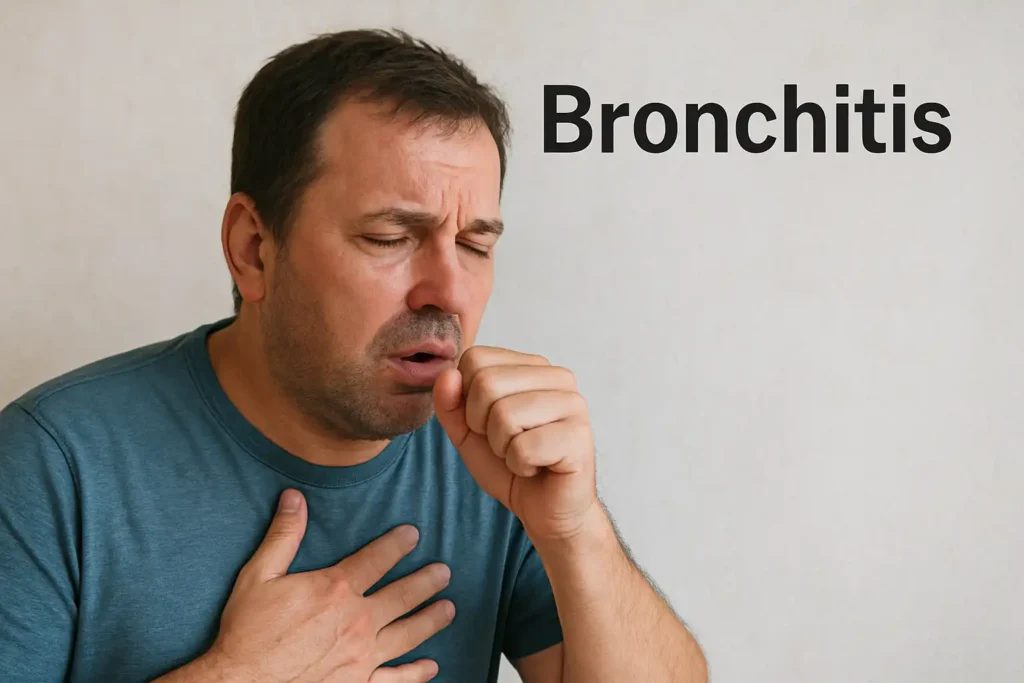
Chronic bronchitis is characterized by long-term inflammation of the bronchial tubes, leading to persistent coughing and mucus production. Narrowed airways restrict airflow and make it difficult to exhale fully.
2. Emphysema
Emphysema occurs when the air sacs (alveoli) are gradually damaged, losing elasticity and making it harder to release trapped air. This reduces oxygen exchange in the lungs.
Causes of COPD
1. Smoking
Cigarette smoking is the leading cause of COPD. The harmful chemicals in tobacco smoke damage the lungs and trigger chronic inflammation. Long-term smokers have the highest risk of developing COPD, although even occasional smoking increases risk.
2. Environmental and Occupational Irritants
Long-term exposure to air pollutants, dust, chemical fumes, and industrial smoke can contribute to COPD. People working in farming, mining, construction, or manufacturing may be at higher risk.
3. Alpha-1 Antitrypsin Deficiency
This is a rare genetic condition in which the body lacks a protein that protects the lungs. Individuals with this deficiency can develop COPD at a younger age, even without smoking.
4. Frequent Lung Infections in Childhood
Severe or recurring respiratory infections during childhood can reduce lung growth and increase vulnerability to COPD later in life.
Symptoms of COPD
COPD symptoms usually develop slowly and worsen over time. Common symptoms include:
- Chronic coughing
- Shortness of breath, especially during physical activity
- Increased mucus production
- Wheezing
- Tightness in the chest
- Frequent respiratory infections
- Fatigue or reduced exercise tolerance
As COPD progresses, symptoms may become more persistent, interfering with daily activities and overall well-being.
Stages of COPD
COPD is classified into four stages based on results from lung function tests, especially spirometry.
Stage 1: Mild COPD
Airflow limitation is present, but symptoms may be mild or barely noticeable.
Stage 2: Moderate COPD
Breathlessness increases, especially during exertion, and chronic cough and mucus production become more common.
Stage 3: Severe COPD
Airflow limitation is significant, and quality of life declines due to more frequent symptoms and flare-ups.
Stage 4: Very Severe COPD
Symptoms become severe and persistent, and flare-ups may pose serious health risks.
Diagnosis of COPD
Spirometry
This is the primary test for diagnosing COPD. It measures how much air a person can inhale and exhale, as well as how quickly air can be released from the lungs.
Chest X-ray or CT Scan
Imaging tests can show structural changes in the lungs, helping identify emphysema or other related conditions.
Blood Tests
Blood tests may help detect genetic conditions such as alpha-1 antitrypsin deficiency or assess oxygen levels.
Treatment of COPD
Although COPD cannot be cured, treatment can significantly improve breathing, reduce symptoms, prevent flare-ups, and improve quality of life.
1. Medications
- Bronchodilators to relax airway muscles
- Inhaled corticosteroids to reduce inflammation
- Combination inhalers for more severe symptoms
- Antibiotics during respiratory infections
2. Pulmonary Rehabilitation
This structured program combines exercise training, education, breathing techniques, and nutritional counseling to improve lung function and stamina.
3. Oxygen Therapy
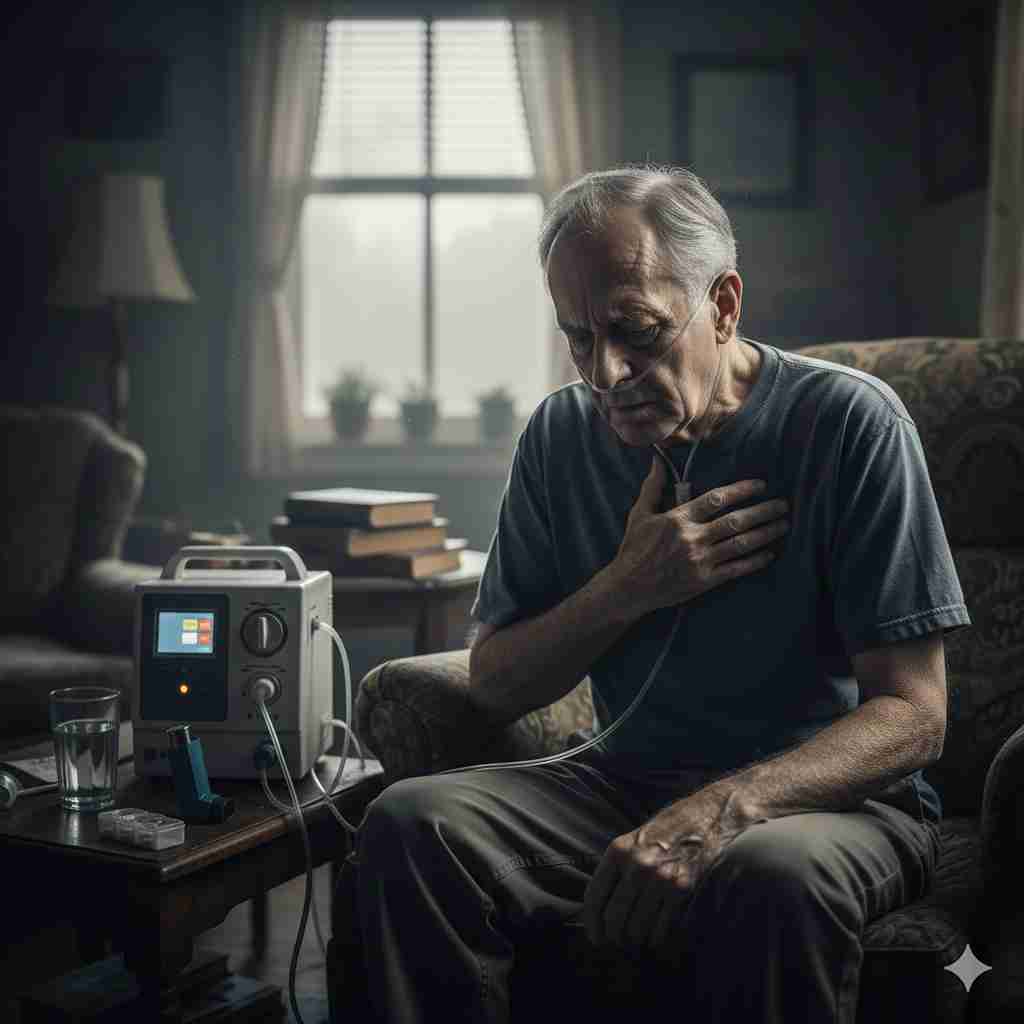
Some individuals require supplemental oxygen, especially in advanced stages or during sleep and physical activity.
4. Lifestyle Adjustments
- Avoiding smoking and secondhand smoke
- Regular physical activity as tolerated
- Healthy diet and hydration
- Avoiding environmental pollutants
5. Surgical Options
In severe cases, procedures such as lung volume reduction surgery or even lung transplantation may be considered.
Complications of COPD
- Frequent respiratory infections
- Reduced lung capacity
- Decreased physical endurance
- Fatigue and weight loss
- Increased strain on the heart
Prevention of COPD
- Avoiding smoking and exposure to tobacco smoke
- Wearing protective masks in polluted or dusty environments
- Regular health checkups for early detection
- Staying physically active
- Maintaining a healthy diet to support immune function
Frequently Asked Questions (FAQ)
Can COPD be cured?
No. COPD cannot be cured, but treatments can slow progression and significantly improve quality of life.
Is COPD always caused by smoking?
Smoking is the main cause, but pollution, occupational exposure, and genetic factors can also contribute.
How is COPD diagnosed?
COPD is primarily diagnosed with spirometry, along with imaging and medical history.
What lifestyle changes help COPD?
Avoiding smoke, staying active, eating well, and following treatment plans can greatly improve outcomes.
Conclusion
Chronic obstructive pulmonary disease is a long-term condition that affects the lungs and makes breathing progressively more difficult. Although COPD cannot be cured, early diagnosis, proper treatment, and healthy lifestyle choices can significantly slow its progression and improve quality of life. Understanding how COPD develops, recognizing symptoms early, and adopting preventive habits are essential for protecting long-term lung health.