Peppermint: Complete Medicinal Guide
Peppermint (Mentha × piperita) is a popular medicinal herb known for its digestive, soothing, and cooling properties. This guide covers its traditional uses, benefits, preparation methods, and safety considerations.
What Is Peppermint?
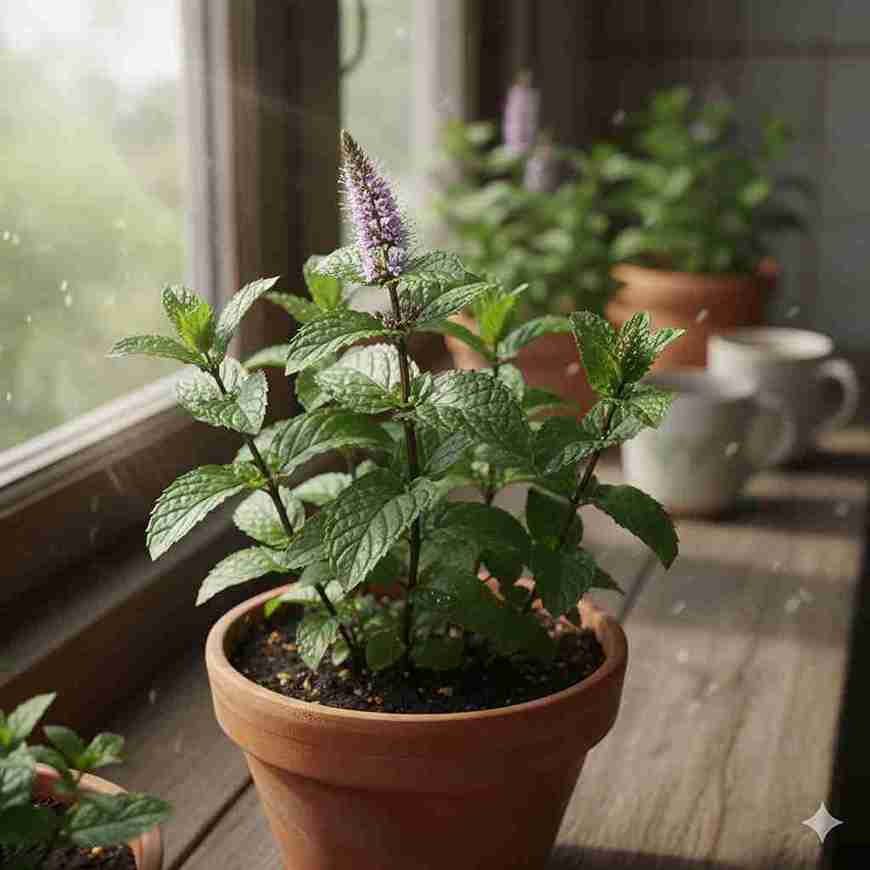
Peppermint is a hybrid mint plant, a cross between watermint and spearmint. Its leaves contain essential oils rich in menthol and menthone, which give it a distinctive cooling effect and support digestive comfort.
Traditionally, peppermint is consumed as tea, tinctures, or oils, and is also applied topically in diluted forms for muscle relaxation and soothing sensations.
Main Benefits and Uses of Peppermint
1. Supports Digestion
Peppermint is widely used to relieve indigestion, bloating, and mild stomach discomfort. Peppermint tea or capsules can ease digestive tension and promote comfort after meals.
2. Relieves Nausea
The menthol in peppermint can help reduce feelings of nausea, including motion sickness and mild digestive upset.
3. Soothes Muscle Tension
Diluted peppermint oil applied topically may help relax minor muscle tension or headaches due to its cooling effect.
4. Supports Respiratory Comfort
Peppermint’s menthol content may help relieve mild nasal congestion or sinus discomfort when inhaled as steam or in aromatherapy.
How Peppermint Is Used
Internal Uses
- Herbal tea or infusion for digestive support
- Peppermint capsules for mild stomach discomfort
- Commercial extracts in beverages or wellness products
Topical Uses
- Diluted peppermint oil for muscle or headache relief
- Added to balms or ointments for cooling effect
- Used in aromatherapy for relaxation and mental clarity
How to Prepare Peppermint
- For tea: steep 1–2 teaspoons of dried peppermint leaves in hot water for 5–10 minutes.
- For oil-based remedies: dilute peppermint essential oil in a carrier oil (e.g., coconut or almond) before topical use.
- Commercial tinctures: follow label directions carefully.
- Use internally in moderation; high doses of peppermint oil may cause digestive irritation.
Precautions and Safety Information
- Avoid applying undiluted essential oil directly to skin.
- People with GERD or acid reflux should use peppermint cautiously, as it may worsen symptoms.
- Consult a healthcare professional if pregnant, breastfeeding, or taking medications.
- Discontinue use if adverse reactions occur.
How to Store Peppermint
- Dried leaves: airtight container, cool and dry place, up to 1 year.
- Fresh leaves: refrigerate for up to 1 week.
- Essential oils: store in dark glass bottles away from heat and sunlight.
Quick Facts
- Scientific name: Mentha × piperita
- Family: Lamiaceae
- Main properties: digestive support, soothing, cooling, anti-nausea
- Most used part: leaves
- Traditional use: digestive comfort, nausea relief, relaxation
Conclusion
Peppermint is a versatile herb widely used to promote digestive comfort, relieve mild nausea, and provide a soothing cooling effect. Whether consumed as tea, capsules, or applied topically in diluted form, peppermint remains a trusted natural remedy for wellness.
Disclaimer: This article is for educational purposes only and does not replace professional medical advice.