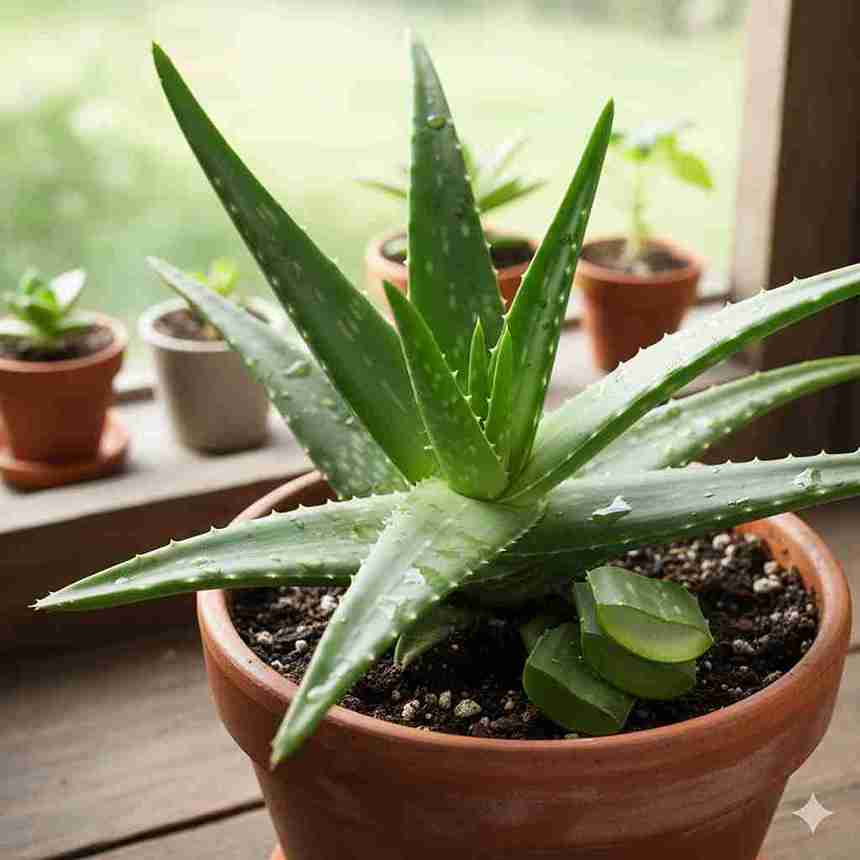
Aloe Vera: Complete Medicinal Guide
Aloe vera is one of the most popular medicinal plants worldwide, valued for its healing gel and powerful natural compounds. This guide explains what aloe vera is, its traditional and modern uses, benefits, preparations, and safety considerations.
What Is Aloe Vera?
Aloe vera (Aloe barbadensis miller) is a succulent plant native to Africa and cultivated around the world. Its thick leaves contain a clear gel composed of vitamins, minerals, amino acids, enzymes, antioxidants, and polysaccharides that contribute to its therapeutic properties.
The plant has been used for thousands of years in traditional medicine, especially for treating burns, skin irritation, and digestive discomfort.
Nutritional and Chemical Composition
- Vitamins: A, C, E, B1, B2, B3, B6, B12
- Minerals: calcium, magnesium, zinc, potassium
- Enzymes: amylase, lipase, cellulase
- Antioxidants: flavonoids and polyphenols
- Polysaccharides: acemannan (supports healing and immunity)
- Fatty acids with anti-inflammatory properties
Main Benefits and Uses of Aloe Vera
1. Skin Healing
Aloe vera gel is widely used for soothing minor burns, including sunburn. It reduces redness, inflammation, and promotes faster skin regeneration.
2. Hydration and Skincare
Due to its high water content and nutrients, aloe works as a natural moisturizer for dry, irritated, or sensitive skin.
3. Wound Relief
Traditionally, aloe vera is used on small cuts, scratches, and insect bites to reduce swelling and discomfort.
4. Anti-Inflammatory Action
Compounds such as C-glucosyl chromone help reduce inflammation in the skin and digestive tract.
5. Digestive Support
Aloe vera juice is used to improve digestion, relieve bloating, support hydration, and promote bowel movement (only commercial products formulated for internal use).
6. Immune Support
Aloe polysaccharides, especially acemannan, are linked to improved immune response and cellular recovery.
7. Antioxidant Protection
Aloe contains antioxidants that help protect cells from environmental damage and oxidative stress.
How Aloe Vera Is Used
Topical Uses (External Application)
- Apply gel directly to sunburn or minor burns.
- Use as a daily moisturizer for dry skin.
- Apply to irritated or inflamed areas for relief.
- Use for small cuts, insect bites, and skin discomfort.
Internal Uses (Commercial Aloe Products)
Only store-bought aloe vera juice formulated for consumption should be ingested.
Possible uses:
- Supporting digestion
- Hydrating the body
- Relieving occasional constipation
- Supporting overall wellness
How to Prepare Fresh Aloe Vera Gel
- Cut a mature aloe leaf from the base.
- Let the yellow latex drain out (not recommended for internal use).
- Rinse the leaf and slice it open.
- Use a spoon to remove the transparent gel.
- Blend the gel if you want a smoother consistency.
- Store in an airtight container in the refrigerator.
Fresh gel lasts 7–10 days when refrigerated.
Precautions and Safety Information
- Do not consume raw aloe latex—it may cause stomach irritation.
- Only drink aloe vera products labeled safe for internal use.
- People with sensitive skin should test aloe on a small area first.
- Not recommended to apply to deep wounds or severe burns.
- Consult a healthcare professional if pregnant, breastfeeding, or taking medications.
How to Store Aloe Vera
- Keep fresh gel in a sealed container in the fridge.
- Use within 7–10 days.
- Commercial gel lasts months due to stabilizers.
Quick Facts
- Scientific name: Aloe barbadensis miller
- Plant family: Asphodelaceae
- Main properties: soothing, hydrating, antioxidant, anti-inflammatory
- Most used part: leaf gel
- Traditional use: healing skin and digestive support
Conclusion
Aloe vera is an exceptional natural remedy with a long history of traditional use and modern applications. Its soothing gel, nutritional compounds, and healing properties make it a valuable plant for skin care, digestion, and overall wellness.
Disclaimer: This article is for educational purposes only and does not replace professional medical advice.