(Colorectal Cancer): A Comprehensive Medical Guide
An in-depth, evidence-informed overview of colon cancer including risk factors, early signs, screening and diagnosis, staging, current treatment options, survivorship, and prevention strategies. Designed for patients, caregivers, and healthcare professionals seeking reliable information.
Overview: What is colon (colorectal) cancer?
Colorectal cancer refers to cancers that originate in the colon or rectum. Most cases begin as benign growths called polyps—particularly adenomatous polyps—which can transform into cancer over several years. Because this transformation is usually slow, screening programs effectively detect precancerous polyps or early-stage cancer, allowing curative treatment.
Epidemiology and impact
Colorectal cancer is one of the most common cancers worldwide and a leading cause of cancer-related death in many countries. Incidence increases with age, though rates have been rising in younger adults in recent decades. Geographic, socioeconomic, hereditary and lifestyle factors influence incidence and outcomes.
Anatomy and terminology
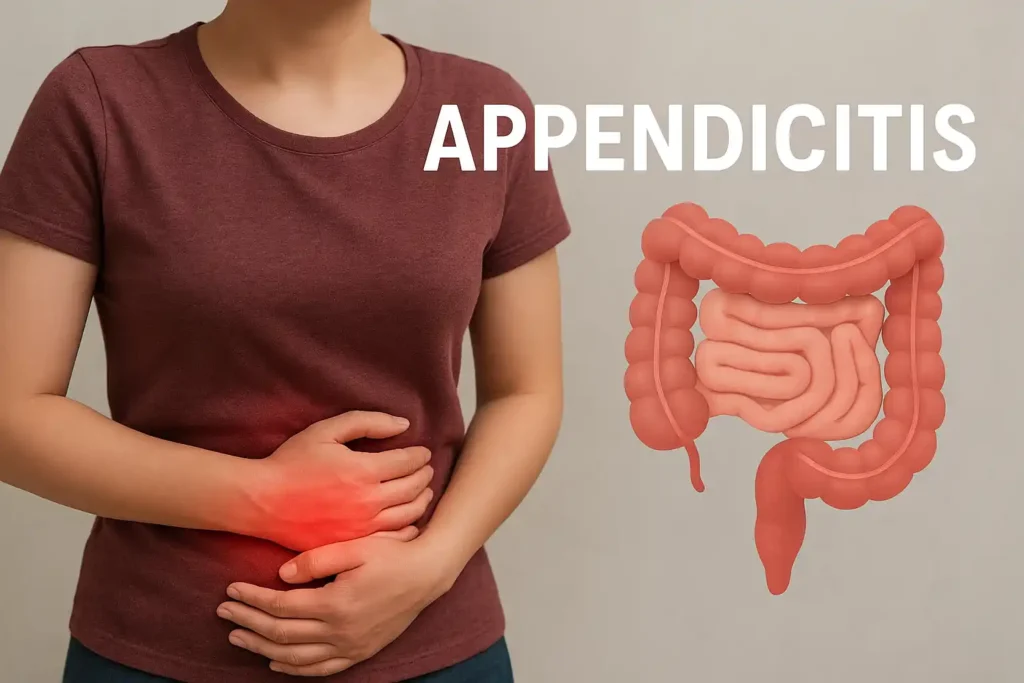
The colon is the large intestine's main portion, divided into segments: ascending, transverse, descending, and sigmoid colon; the rectum connects the colon to the anus. “Colon cancer” may refer specifically to tumors in the colon, while “colorectal cancer” includes rectal tumors. Rectal cancers are managed slightly differently because of anatomic considerations and treatment sequencing.
Risk factors
Colon cancer results from the interaction of genetic predisposition and environmental or lifestyle exposures. Major risk factors include:
- Age: risk rises after age 45–50, with most cases diagnosed in older adults (guidelines vary by country; many now recommend starting screening at 45).
- Personal or family history: prior colorectal polyps or cancer, and a first-degree relative with colorectal cancer increase risk.
- Inherited syndromes: Lynch syndrome (hereditary nonpolyposis colorectal cancer), familial adenomatous polyposis (FAP) and other rarer syndromes confer high lifetime risk.
- Inflammatory bowel disease (IBD): long-standing ulcerative colitis or Crohn’s disease increases risk.
- Diet and obesity: diets high in red and processed meat, low in fiber, overweight and obesity are associated with higher risk.
- Physical inactivity and smoking: both increase risk.
- Alcohol: heavy alcohol use is associated with higher colorectal cancer incidence.
- Type 2 diabetes mellitus: associated with slightly increased risk.
Signs and symptoms
Early colorectal cancer may be asymptomatic. Symptoms often appear as disease progresses and can include:
- Change in bowel habits (persistent diarrhea or constipation)
- Blood in the stool or rectal bleeding
- Dark or tarry stools
- Abdominal pain, cramps or bloating
- Unexplained weight loss
- Fatigue and weakness (often from iron-deficiency anemia)
- Sensation of incomplete evacuation (tenesmus), particularly with rectal tumors
Any persistent change in bowel habits, unexplained gastrointestinal bleeding, or anemia should prompt medical evaluation. For young people or those with concerning symptoms, seek care promptly; if you are under 18, tell a trusted adult who can help you get medical attention.
Screening and early detection
Screening is the most effective strategy to reduce colorectal cancer mortality. Common screening methods include:
- Colonoscopy: direct visualization of the entire colon with ability to biopsy and remove polyps. Typically repeated every 10 years in average-risk individuals when normal.
- Fecal immunochemical test (FIT): noninvasive stool test that detects occult blood; recommended annually or biennially depending on program. Positive tests prompt colonoscopy.
- Fecal occult blood test (FOBT): older method; FIT has generally replaced it in many programs.
- Flexible sigmoidoscopy: visualizes the lower colon; less commonly used now.
- CT colonography (virtual colonoscopy): less invasive imaging option that requires bowel prep and, if polyps are found, a follow-up colonoscopy.
Screening recommendations vary by country and personal risk. Many guidelines now advise beginning average-risk screening at age 45; earlier and more intensive screening is recommended for people with family history, inherited syndromes, or inflammatory bowel disease. Discuss individualized screening plans with your clinician.
Diagnosis
When screening or symptoms raise concern, diagnosis typically includes:
- Colonoscopy with biopsy: the diagnostic gold standard; tissue samples confirm cancer and determine histologic subtype.
- Laboratory tests: complete blood count (may reveal anemia), liver function tests, and carcinoembryonic antigen (CEA) as a baseline tumor marker for follow-up (not diagnostic alone).
- Cross-sectional imaging: CT scan of the chest, abdomen and pelvis to stage disease and detect metastases (commonly liver and lung).
- Pelvic MRI: often used for rectal cancer staging to assess local invasion and plan treatment.
- Genetic and molecular testing: testing for mismatch repair (MMR) deficiency or microsatellite instability (MSI), RAS, BRAF and other markers guides prognosis and targeted therapy decisions.
Staging
Staging describes how far cancer has spread and guides treatment. The TNM system (Tumor, Node, Metastasis) is commonly used; simplified stages include:
- Stage I: tumor limited to the colon wall (early, typically curable with surgery).
- Stage II: tumor penetrates through the colon wall but no regional lymph node involvement.
- Stage III: cancer has spread to regional lymph nodes.
- Stage IV: distant metastases (e.g., liver, lungs).
Treatment overview
Treatment is personalized based on stage, tumor location (colon vs rectum), molecular features, patient health and preferences. Multidisciplinary care—surgeons, medical oncologists, radiation oncologists, pathologists, radiologists, and specialist nurses—offers best outcomes.
Surgery
Surgery is the mainstay for non-metastatic colon cancer:
- Segmental colectomy: removes the tumor and adjacent lymph nodes with reattachment of healthy bowel; can be done laparoscopically or robotically in many centers.
- Right or left hemicolectomy: terminology based on tumor location.
- Emergency surgery: may be required for obstruction or perforation.
- Rectal cancer surgery: may include total mesorectal excision (TME) and sometimes a temporary or permanent stoma depending on location and sphincter involvement.
Adjuvant and neoadjuvant therapy
Chemotherapy is commonly used:
- Adjuvant chemotherapy: given after surgery in stage III and selected high-risk stage II patients to reduce recurrence risk (commonly FOLFOX — 5-FU, leucovorin, oxaliplatin — or capecitabine-based regimens).
- Neoadjuvant therapy: for rectal cancer, preoperative chemoradiation or short-course radiotherapy reduces local recurrence and can sometimes allow sphincter-preserving surgery.
Systemic therapy for advanced disease
For metastatic (stage IV) disease, systemic therapy is central and increasingly personalized:
- Chemotherapy regimens: combinations such as FOLFOX, FOLFIRI (irinotecan-based), sometimes with targeted agents.
- Targeted therapies: anti-VEGF (bevacizumab) or anti-EGFR agents (cetuximab, panitumumab) for RAS wild-type tumors.
- Immunotherapy: immune checkpoint inhibitors (e.g., pembrolizumab) show excellent responses in tumors with high microsatellite instability (MSI-high) or mismatch repair deficiency (dMMR).
- Hepatic-directed therapies: for liver-limited metastases, surgical resection, ablation, or chemoembolization may offer long-term survival; multidisciplinary evaluation is essential.
Radiation therapy
Radiation is used primarily for rectal cancers (to reduce local recurrence) or for palliation in metastatic disease causing pain or obstruction. Advanced techniques (IMRT, image-guided radiotherapy) improve targeting and reduce side effects.
Side effects and supportive care
Treatments can cause side effects: surgical complications, chemotherapy-related nausea, neuropathy (especially with oxaliplatin), fatigue, bowel changes, and emotional distress. Supportive care measures include:
- Pain management and antiemetics
- Nutritional support and dietitian involvement for weight loss or bowel symptoms
- Physical therapy and exercise programs for recovery
- Psycho-oncology support for emotional wellbeing
- Management of chemotherapy-induced peripheral neuropathy and other chronic toxicities
Survivorship and follow-up
After curative-intent treatment, follow-up typically includes periodic history and physical exams, CEA measurements, imaging when indicated, and surveillance colonoscopy to detect metachronous lesions. Survivorship care addresses late effects, lifestyle counseling, and psychosocial support.
Prognosis
Prognosis depends primarily on stage at diagnosis. Early-stage disease (stage I–II) has high cure rates with surgery. Stage III disease has improved outcomes with adjuvant chemotherapy. Stage IV prognosis varies: patients with limited metastases who undergo resection may achieve long-term survival; systemic therapies provide disease control for many. Molecular features (e.g., MSI status, RAS/BRAF mutations) also influence prognosis and treatment choices.
Prevention strategies
Primary prevention aims to reduce incidence; secondary prevention (screening) catches disease early. Practical strategies include:
- Screening: adherence to recommended screening schedules (colonoscopy, FIT)
- Diet: high-fiber diets, abundant fruits and vegetables, limiting red and processed meats
- Physical activity: regular exercise lowers risk
- Maintain healthy weight: prevent obesity
- Avoid tobacco and limit alcohol: reduce exposure to known carcinogens
- Manage inflammatory bowel disease: appropriate surveillance and medical control of chronic inflammation
- Genetic counseling: for those with family histories or inherited syndromes
Clinical trials and future directions
Research advances include improvements in molecular profiling, liquid biopsies to detect circulating tumor DNA for surveillance, better targeted agents, novel immunotherapies, and enhanced multimodal approaches for metastatic disease. Enrolling in clinical trials can provide access to new therapies and contribute to scientific progress; discuss options with your oncology team.
Practical advice for patients and caregivers
- Ask questions: understand stage, goals of treatment, expected side effects and follow-up plan.
- Get a multidisciplinary opinion: complex cases benefit from tumor board review and specialist input.
- Plan practical support: transportation, caregiving, and financial counseling if needed.
- Maintain nutrition and activity: adjust diet and gradually increase activity as tolerated.
- Seek psychosocial support: counseling, peer support groups and palliative care services can improve quality of life.
Frequently asked questions (FAQs)
What is the difference between colon and rectal cancer?
Colon cancer arises in the colon; rectal cancer arises in the rectum. Rectal cancers often require different preoperative strategies (chemoradiation) because of local anatomy and the need to preserve pelvic function.
How often should I be screened?
For average-risk individuals, many guidelines recommend starting screening at age 45 and repeating FIT annually or colonoscopy every 10 years if normal. Those with higher risk need earlier and more frequent screening—discuss with your clinician.
Can diet alone prevent colon cancer?
A healthy diet reduces risk but cannot guarantee prevention. Screening remains critical because colon cancer can develop despite healthy habits.
Resources and support
Reliable resources include national cancer institutes, oncology societies, and patient advocacy groups that provide educational material, support networks and guidance on clinical trials. Examples: National Cancer Institute (NCI), American Cancer Society (ACS), Cancer Research UK, and local cancer support organizations.