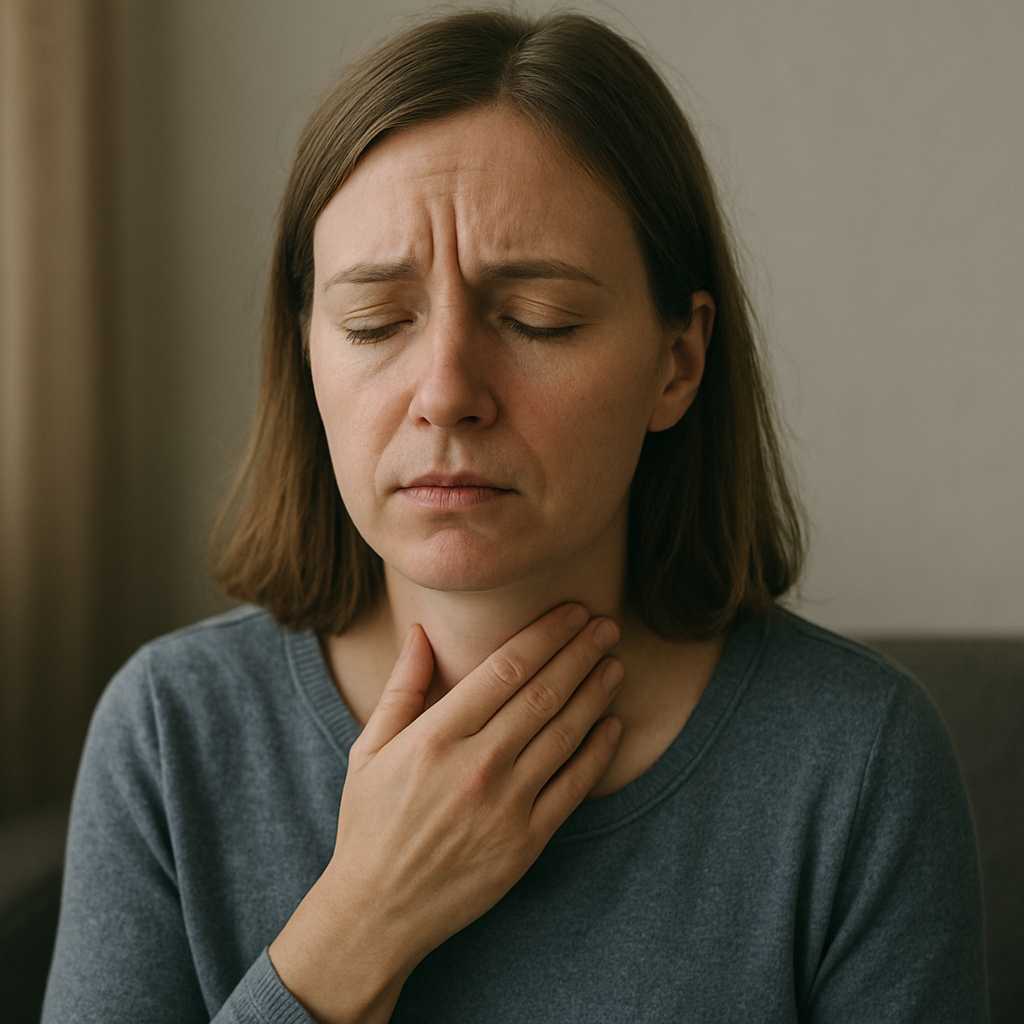
Causes, Symptoms, Diagnosis, Treatment, and Long-Term Management
Understanding Hypothyroidism
Hypothyroidism is a common endocrine disorder where the thyroid gland fails to produce enough hormones to meet the body’s needs. These hormones—primarily thyroxine (T4) and triiodothyronine (T3)—regulate metabolism, energy production, heart rate, body temperature, and many essential bodily functions. When hormone levels drop, the entire body slows down, causing symptoms that range from mild fatigue to severe metabolic complications.
It is estimated that over 200 million people worldwide suffer from thyroid disorders, and hypothyroidism is among the most prevalent. Women, adults over 50, and individuals with autoimmune conditions are at significantly higher risk.
This comprehensive guide explains the causes, symptoms, diagnosis, treatment options, and long-term strategies to manage hypothyroidism effectively.
1. What Is Hypothyroidism?
Hypothyroidism occurs when the thyroid gland—located at the front of the neck, shaped like a butterfly—does not produce enough thyroid hormones. These hormones influence nearly every organ in the body. When deficient, metabolic processes slow down, affecting physical, cognitive, and emotional health.
There are two main types:
Primary Hypothyroidism
The most common type. The thyroid gland itself is damaged or malfunctioning.
Secondary Hypothyroidism
A rare form caused by the pituitary gland failing to stimulate the thyroid properly.
2. Main Causes of Hypothyroidism
Several underlying conditions can lead to an underactive thyroid. The most common include:
2.1 Hashimoto’s Thyroiditis (Autoimmune Disease)
The leading cause worldwide.
In Hashimoto’s disease, the immune system mistakenly attacks the thyroid gland, causing chronic inflammation and decreased hormone production over time.
Risk factors include:
Female sex
Other autoimmune disorders (celiac disease, lupus, rheumatoid arthritis)
Family history of thyroid conditions
High iodine intake
2.2 Thyroid Surgery
When part or all of the thyroid gland is removed (due to cancer, nodules, goiter), hormone levels naturally drop, causing permanent hypothyroidism in most cases.
2.3 Radiation Treatment
Radiation therapy to the neck, chest, or head—often used for Hodgkin’s lymphoma or thyroid cancer—can damage thyroid tissues.
2.4 Iodine Deficiency or Excess
Iodine is essential for thyroid hormone production.
Deficiency causes the thyroid to enlarge (goiter) and become underactive.
Excess iodine can paradoxically shut down thyroid hormone production.
2.5 Medications
Some drugs interfere with thyroid function, including:
Lithium (used for bipolar disorder)
Amiodarone (heart medication)
Interferon-alpha
Immune-modulating drugs
2.6 Congenital Hypothyroidism
Some babies are born with a poorly functioning or absent thyroid gland, requiring immediate treatment to prevent developmental delays.
2.7 Pituitary or Hypothalamic Disorders
Tumors, injury, or disease affecting the pituitary or hypothalamus can reduce TSH (thyroid-stimulating hormone), causing secondary hypothyroidism.
3. Symptoms of Hypothyroidism
Symptoms develop gradually, often over months or years, making diagnosis challenging. They vary depending on severity, age, and underlying cause.
Most Common Symptoms
Fatigue and lack of energy
Weight gain despite no change in diet
Cold intolerance
Dry skin and brittle hair
Hair loss
Slowed metabolism
Constipation
Depression or low mood
Memory issues and brain fog
Irregular menstrual cycles
Muscle cramps and weakness
Puffy face, especially around the eyes
Advanced Symptoms
If untreated, hypothyroidism can cause:
High cholesterol
Enlarged thyroid (goiter)
Slow heart rate
Infertility
Peripheral neuropathy
Myxedema — a severe, life-threatening complication
4. How Hypothyroidism Is Diagnosed
Diagnosis requires blood testing, physical examination, and patient history.
4.1 Blood Tests
The most important tests include:
TSH (Thyroid-Stimulating Hormone)
The most sensitive marker.
High TSH = Hypothyroidism (thyroid is not producing enough hormones).
Free T4
Confirms low thyroid hormone levels.
T3
Sometimes measured, especially in advanced cases.
Thyroid Antibodies
Elevated TPO antibodies indicate Hashimoto’s thyroiditis.
4.2 Imaging Tests
Thyroid ultrasound evaluates:
Nodules
Inflammation
Fibrosis
Used mainly for structural abnormalities.
5. How Hypothyroidism Is Treated
Hypothyroidism is usually a lifelong condition. Treatment aims to restore normal hormone levels.
5.1 Levothyroxine (T4 Replacement Therapy)
The standard and most effective treatment.
Levothyroxine is a synthetic version of T4 identical to natural thyroid hormone.
Benefits:
Safe for long-term use
Restores energy levels
Normalizes metabolism
Reverses most symptoms
How it is taken:
Once daily
On an empty stomach
30–60 minutes before breakfast
5.2 Adjusting the Dosage
TSH levels are reevaluated every 6–8 weeks until the appropriate dose is stabilized. After that, yearly checks are sufficient unless symptoms return.
5.3 Combination Therapy (T4 + T3)
Some patients may benefit from adding small doses of liothyronine (T3), especially those who continue experiencing low energy, depression, or poor metabolism despite normal TSH levels.
5.4 Treatment for Underlying Causes
Autoimmune disease: managed with lifestyle changes and inflammation control
Iodine imbalance: correcting dietary intake
Medication-induced hypothyroidism: switching drugs when possible
6. Natural and Lifestyle Approaches
Although medication remains the primary treatment, lifestyle plays a major role in symptom management.
6.1 Nutrition for Thyroid Health
Foods that support thyroid function:
Selenium-rich foods (Brazil nuts, tuna, eggs)
Zinc sources (chicken, beans, pumpkin seeds)
Iodine (iodized salt, seafood)
Anti-inflammatory foods (berries, olive oil, leafy greens)
Omega-3 fatty acids
Foods to avoid or reduce:
Excess soy (may interfere with absorption)
Raw cruciferous vegetables in large quantities
Ultra-processed foods
Excess gluten (some individuals with autoimmune thyroiditis are sensitive)
6.2 Supplements
Only under medical supervision:
Selenium
Vitamin D
Omega-3
Zinc
B12
6.3 Exercise
Moderate activity improves:
Metabolism
Mood
Energy levels
Cardiovascular health
Best activities: walking, pilates, light strength training, swimming.
7. Possible Complications of Untreated Hypothyroidism
If ignored, hypothyroidism can lead to serious health conditions:
High LDL cholesterol
Heart disease and heart failure
Peripheral neuropathy
Infertility
Depression
Memory problems
Myxedema coma (rare but life-threatening)
Early diagnosis is key to preventing complications.
8. Living With Hypothyroidism: Long-Term Management
Although hypothyroidism cannot usually be cured, it can be managed extremely well. Many individuals with proper treatment live completely normal lives.
Key tips for long-term management:
Take medication consistently
Do not skip doses
Avoid taking levothyroxine with coffee, calcium, or iron
Check thyroid levels yearly
Monitor for symptoms of over- or underdosage
Maintain a nutrient-dense diet
Manage stress, as cortisol affects thyroid function
Hypothyroidism is a chronic but highly manageable condition when diagnosed early and treated properly. Understanding its causes, symptoms, and treatments empowers patients to take control of their thyroid health and prevent long-term complications.
With the right combination of medical care, lifestyle adjustments, regular monitoring, and evidence-based treatments, individuals with hypothyroidism can enjoy excellent quality of life.